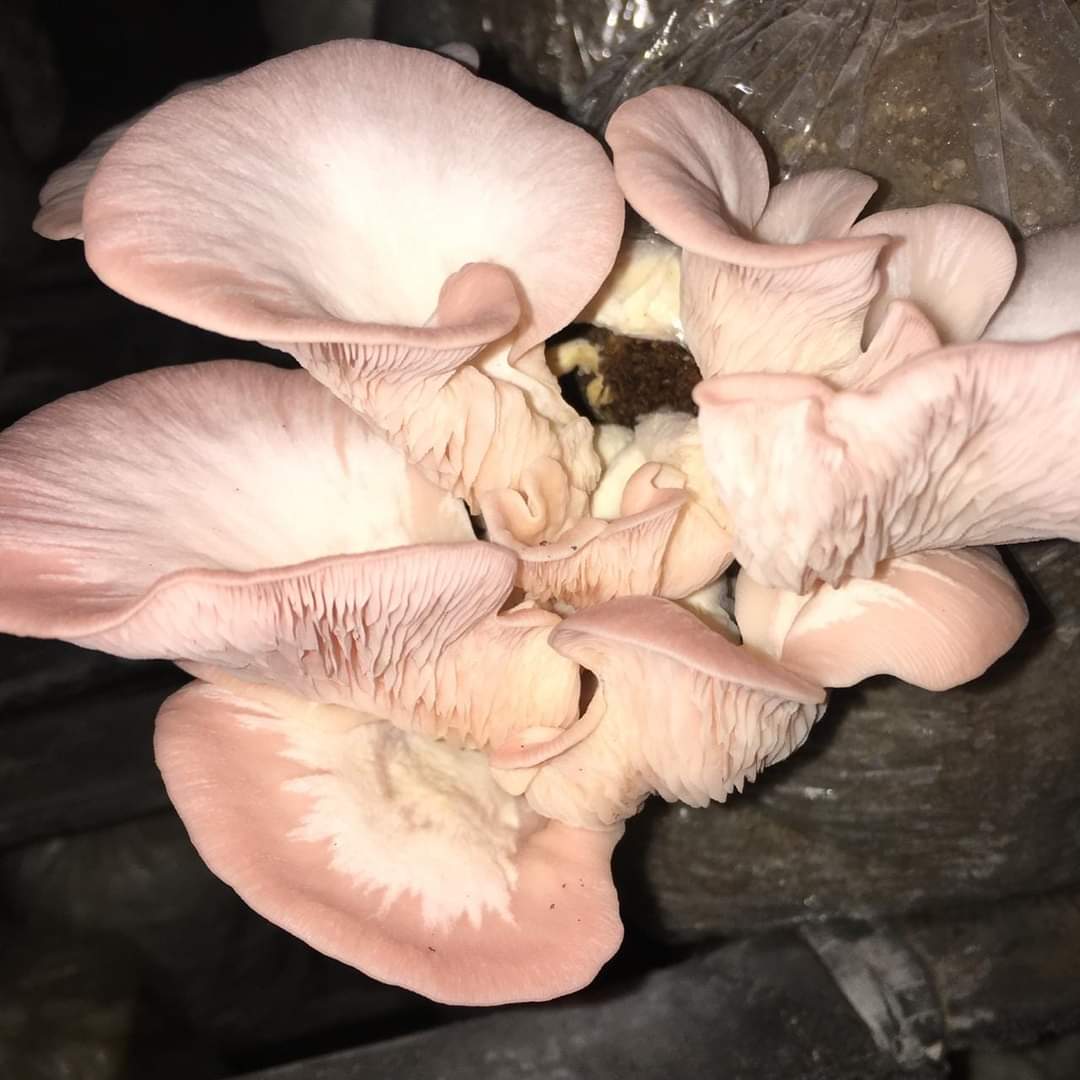
In a world increasingly conscious of the environmental impact of our food choices, consumers are seeking out products that not only nourish their bodies but also support sustainable practices. As awareness grows about the importance of sustainable agriculture, more attention is being focused on the journey our food takes from the farm to our forks. In this comprehensive exploration, we’ll dive into the sustainable journey of 3h Mushroom products, examining the eco-friendly farming practices, ethical sourcing methods, and minimal environmental impact that define our commitment to sustainability.
Chapter 1: Cultivating Sustainability: The Farming Practices of 3h Mushroom Products
Sustainable Farming Techniques: Explore the innovative farming methods employed by 3h Mushroom to minimize environmental impact and promote biodiversity.
Organic Cultivation: Learn about our commitment to organic farming practices and the benefits they bring to both consumers and the environment.
Regenerative Agriculture: Discover how we prioritize soil health, water conservation, and carbon sequestration through regenerative farming techniques.
Chapter 2: Ethical Sourcing: Supporting Communities and Biodiversity
Fair Trade Practices: Delve into our dedication to fair trade principles, ensuring that farmers receive equitable compensation for their labor and resources.
Community Engagement: Learn about our partnerships with local communities and indigenous growers, supporting economic development and cultural preservation.
Biodiversity Conservation: Explore how our sourcing practices protect biodiversity by preserving natural habitats and promoting sustainable land management.
Chapter 3: Minimizing Environmental Impact: Sustainable Packaging and Distribution
Eco-Friendly Packaging: Discover our commitment to reducing waste through eco-friendly packaging materials and minimalistic design.
Efficient Distribution: Learn about our streamlined distribution network, minimizing transportation emissions and maximizing efficiency.
Carbon Footprint Reduction: Explore our efforts to measure and reduce our carbon footprint throughout the entire supply chain, from production to delivery.
Chapter 4: Transparency and Accountability: Traceability and Certifications
Traceability: Understand the importance of traceability in ensuring the integrity of our supply chain and providing consumers with transparent information about the origin of their food.
Certifications: Explore the certifications and standards that validate our commitment to sustainability, including organic, fair trade, and carbon-neutral certifications.
Consumer Education: Empower consumers to make informed choices by providing accessible information about our sustainability practices and the impact of their purchasing decisions.
Chapter 5: The Future of Sustainable Food: Innovations and Challenges
Technological Innovations: Explore emerging technologies and innovations in sustainable agriculture that hold promise for the future of food production.
Addressing Challenges: Discuss the challenges facing the sustainable food movement, from policy barriers to consumer education, and explore potential solutions.
The Role of Consumers: Empower consumers to drive positive change by making sustainable food choices and advocating for greater transparency and accountability in the food system.